
Basement Waterproofing
Basement Waterproofing in Oshawa, Whitby & Durham Region
A wet basement is never just about the water you can see. By the time it’s showing up on the floor, it’s usually already found its way into the walls, the foundation, or the framing behind them. We offer both interior and exterior waterproofing for homes across Oshawa, Whitby, and Durham Region, and we’ll tell you honestly which one your home actually needs rather than defaulting to the more expensive option.
Signs Your Basement Needs Waterproofing
- Damp or musty smell that doesn’t go away, even when the weather’s been dry
- Water stains or discoloration on basement walls or floors
- Visible mold or mildew, particularly along baseboards or in corners
- Efflorescence, the white, chalky residue left behind as water evaporates through concrete
- Cracks in the foundation wall or floor, especially ones that seem to be growing
- A sump pump that’s running constantly during wet weather
Interior Waterproofing
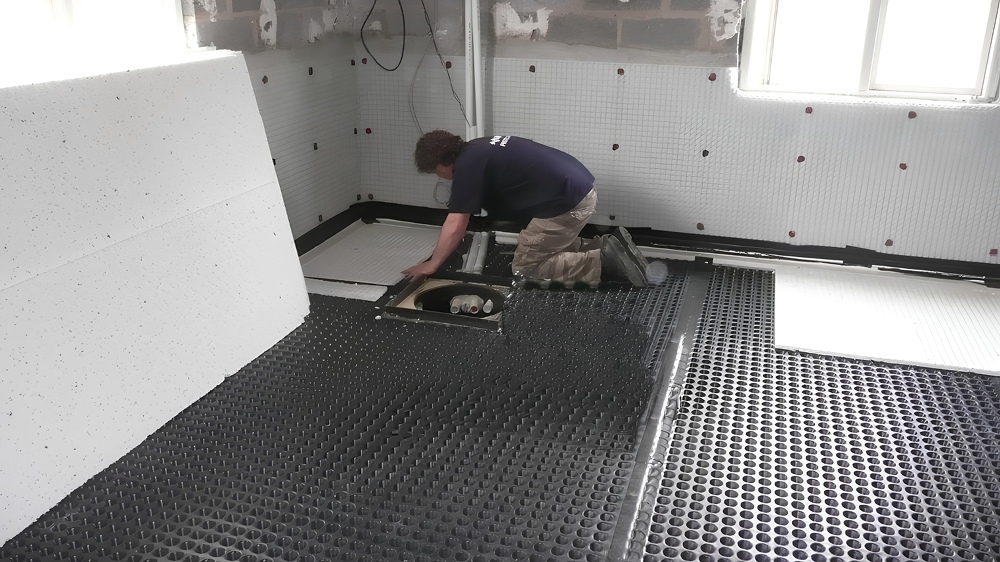
Interior waterproofing manages water after it’s already gotten into your basement, directing it away before it can pool or cause damage. This usually means installing an interior drainage system along the foundation’s edge, connected to a sump pump, so water gets routed out rather than sitting against your walls or floor. It’s less invasive than exterior work, doesn’t require excavating around your home, and is often the right call when the goal is managing water rather than stopping it from reaching the foundation in the first place.
Exterior Waterproofing
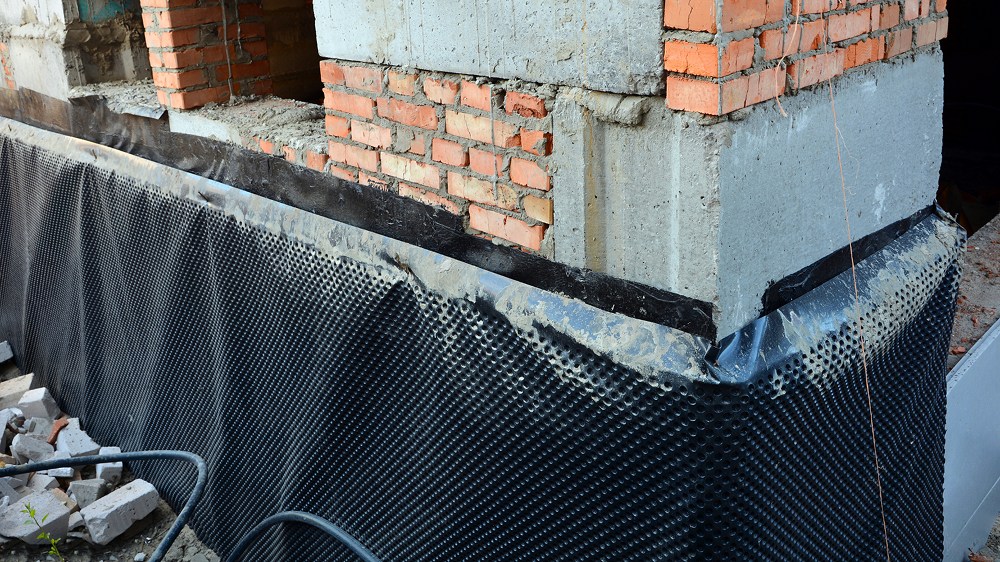
Exterior waterproofing stops water before it reaches the foundation at all. This involves excavating around the foundation, sealing the exterior walls with a waterproof membrane, and installing or repairing exterior drainage, commonly called weeping tile, to carry water away from the house. It’s a bigger job than interior waterproofing, but it addresses the source rather than managing the symptom, and it’s usually the better long-term fix for a foundation with active leaks, visible cracks, or a history of recurring water problems.
Which One Do You Need?
Interior and exterior waterproofing solve different problems, and a lot of basements only need one, not both. We inspect the foundation, figure out where water is actually getting in, whether that’s through a crack, a failed exterior membrane, or hydrostatic pressure building up against the walls, and recommend the approach that fixes that specific problem rather than the one that costs the most.
Why It's Worth Addressing
Water in a basement doesn’t stay a basement problem. Left alone, it leads to mold growth, damaged framing, and foundation issues that get far more expensive to fix the longer they sit. Catching it early, whether that’s a small crack or a sump pump that’s already overwhelmed, is a lot cheaper than repairing structural damage later, and it protects whatever you’re storing or planning to finish in that space.
What to Expect During the Process
We start every waterproofing job with an inspection to identify exactly where and how water is entering, rather than assuming based on where it shows up inside. From there, we walk you through the recommended approach, interior, exterior, or occasionally a combination of both for more complex situations, along with a clear timeline before any work begins.
Related Services
Sump Pump Services
Water Line Maintenance
Plumbing Repair
Troubleshooting Leaks
FAQs
Frequently Asked Questions
What's the difference between interior and exterior basement waterproofing?
Interior waterproofing manages water after it enters the basement, routing it away using an interior drainage system and sump pump. Exterior waterproofing stops water from reaching the foundation at all by sealing the outside walls and improving drainage around the home. We recommend the approach based on where and how water is actually getting in.
Does my basement need both interior and exterior waterproofing?
Not usually. Most basements only need one, depending on the specific cause of the water intrusion. We only recommend both when the inspection shows genuinely separate issues that each require a different fix.
How much does basement waterproofing cost?
It depends heavily on whether interior or exterior work is needed and the extent of the problem. We start with an inspection to diagnose the cause, which lets us give you an accurate scope and cost before any work begins.
Can basement waterproofing help with a musty smell even if I don't see visible water?
Yes. A persistent musty smell without obvious water is often an early sign of moisture getting in before it’s visible, and addressing it at that stage is usually simpler and less costly than waiting until there’s standing water or visible damage.
Let's Talk
Dealing with a damp or leaking basement in Oshawa or Whitby?
Call PR Plumbing for an honest assessment of whether you need interior or exterior waterproofing.

Phone
(905)-926-9365

ryan@prplumbing.ca

Get an Estimate
Get Started