
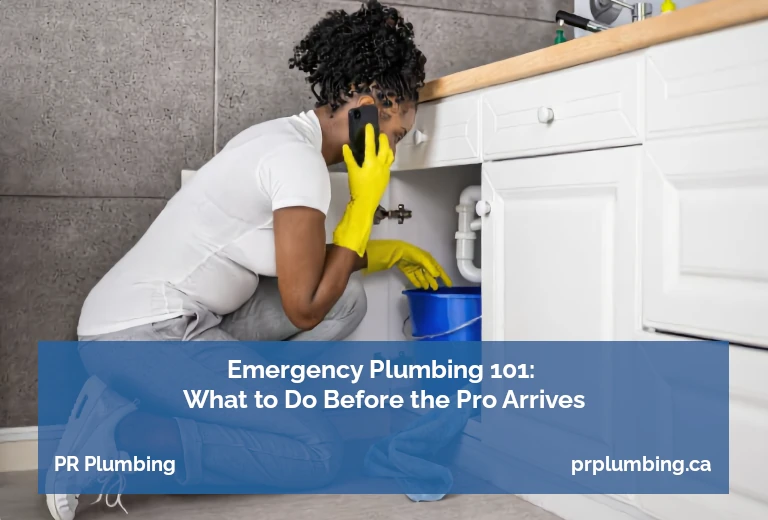
Plumbing emergencies don’t wait for business hours. From burst pipes to overflowing toilets, knowing the right steps to take before a plumber arrives can save thousands in damage and stress. Quick, calm action is your first line of defense, whether it’s shutting off your water supply, containing leaks, or avoiding common mistakes. This article walks you through essential emergency plumbing steps to protect your home until a professional can take over.
1- Turn Off the Main Water Supply
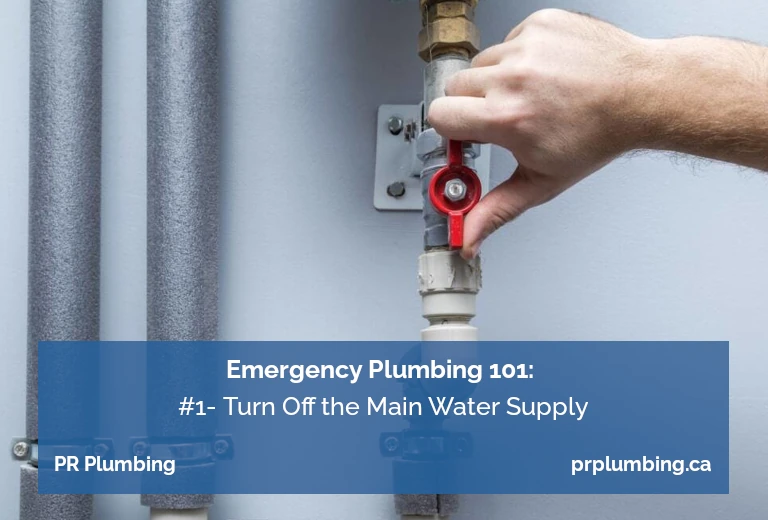
The first step in any emergency plumbing situation is stopping the flow. Locate your home’s main water shutoff valve. It’s usually near the water meter or where the main line enters your house. Shutting this off prevents minor leaks from turning into major damage. For multi-story homes, you may also have individual shutoff valves near major fixtures like sinks, toilets, or water heaters. Turning these off can limit the problem to a specific area and reduce overall risks.
2- Isolate Problem Areas
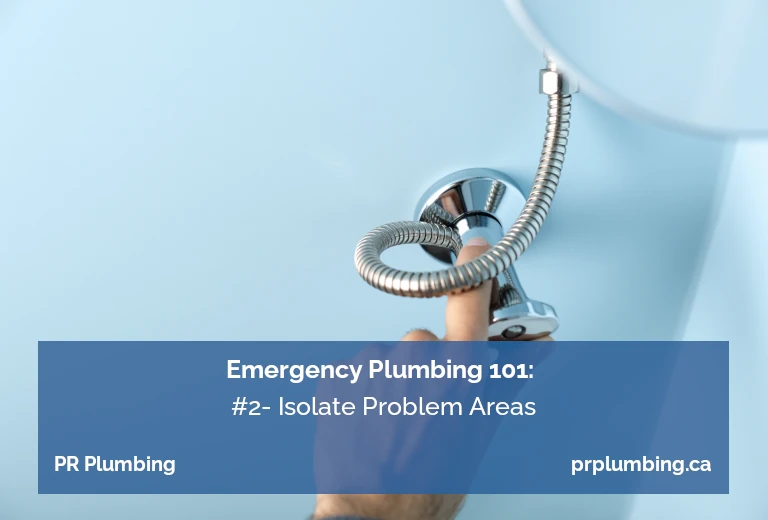
If the issue is limited to a single fixture, such as a sink or toilet, turn off the local valve if possible. This allows you to maintain water in unaffected areas while controlling the problem. Even a small leak can cause damage if it runs for hours, so isolating the affected area quickly is crucial.
3- Contain the Damage
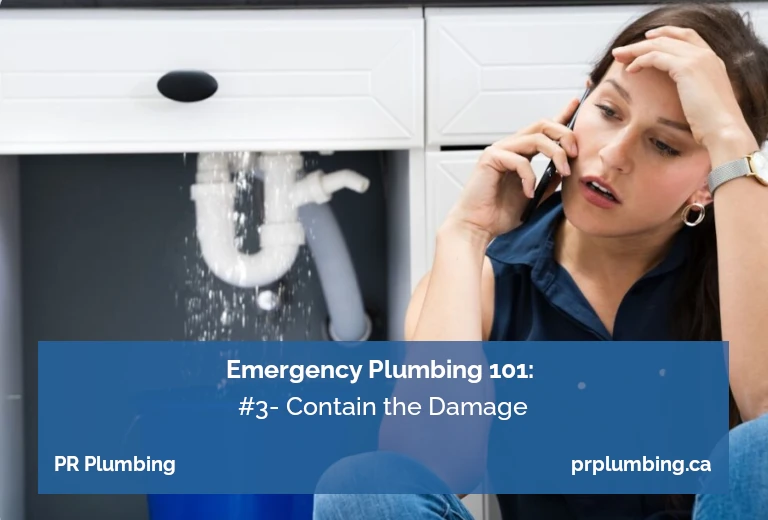
Once the water is under control, focus on minimizing the impact. Use buckets, large containers, or even trash bins to catch dripping water. Lay towels, old sheets, or waterproof mats along floors and carpets. Hardwood floors and carpets are especially vulnerable, so you have to act quickly.
In bathrooms, you can use a shower curtain or plastic sheeting to keep water in one area. For leaks behind walls or under floors, try to redirect water away from furniture, electronics, and valuables. For basement leaks or sump pump failures, place extra containers at low points to elevate items that could be damaged. Quick containment can save thousands in repair costs and limit the stress of cleaning up later.
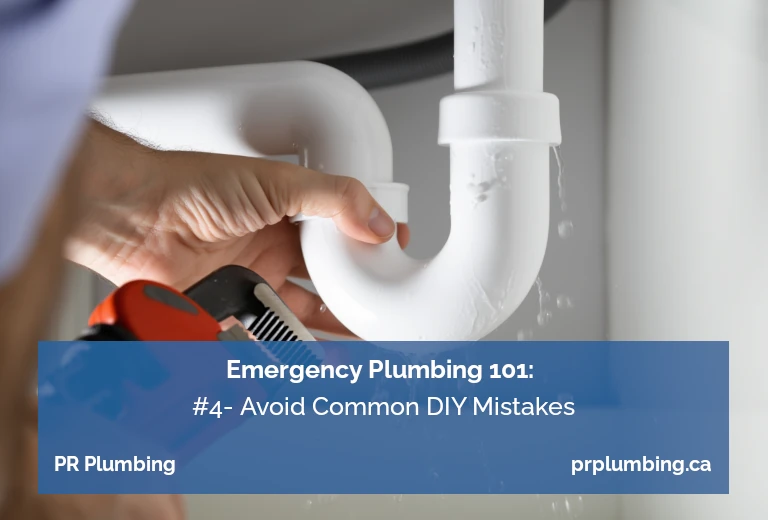
4- Avoid Common DIY Mistakes
It’s tempting to fix things yourself with chemical drain cleaners, plungers or overtightening pipes, but these quick fixes can make emergency plumbing problems worse. Chemicals can corrode pipes, and improper force can crack fittings or valves. Stick to safe containment and shutoffs until a professional arrives.
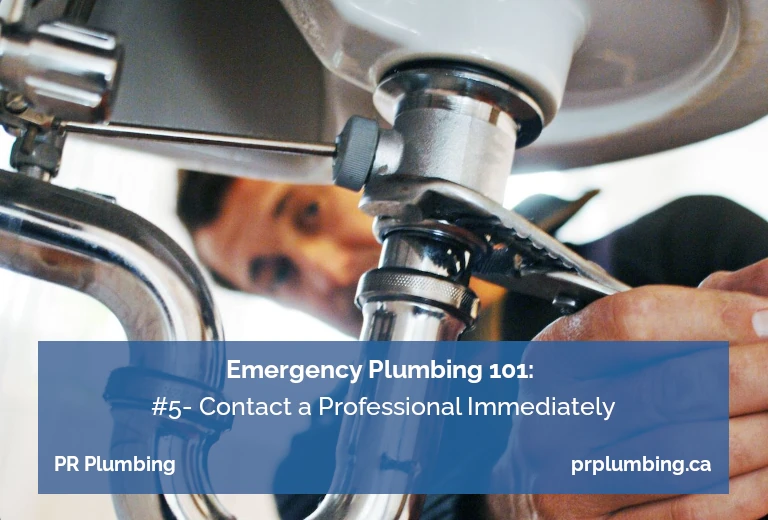
5- Contact a Professional Immediately
Once the water is off and the damage is contained, call a licensed plumber. A professional can assess the situation, prevent further damage, and ensure repairs meet code and safety standards. When you call, provide clear information about the problem: location of the leak, what’s affected, any steps you’ve already taken. This helps the plumber come prepared and act quickly.
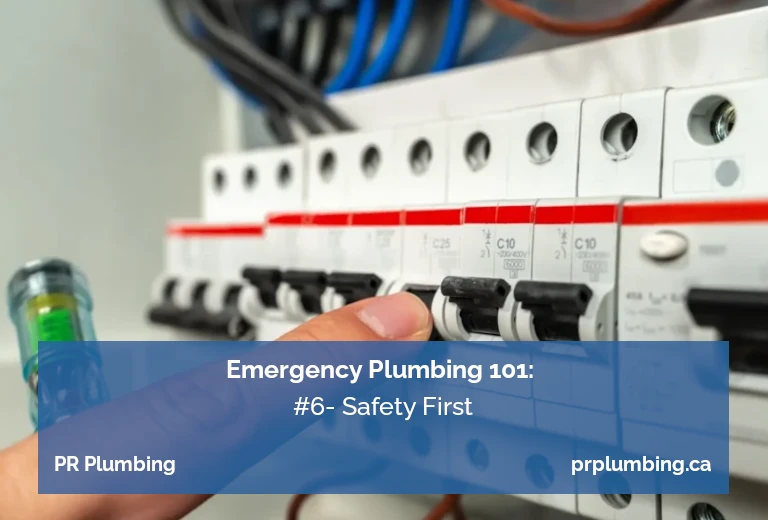
6- Safety First
Water and electricity are a dangerous combination. If water is near outlets, switches, or appliances, turn off electricity to that area if it’s safe. Avoid standing in water with exposed electrical wiring or using metal tools near live circuits. Slippery floors and contaminated water can also pose hazards, so take precautions while waiting for professional help.
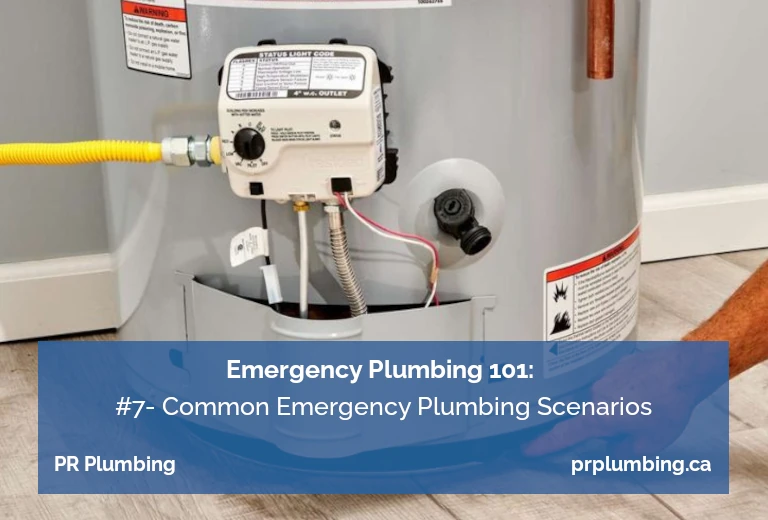
7- Common Emergency Plumbing Scenarios
- Burst pipes: Often caused by freezing, corrosion, or old fittings. Shutting off water quickly is critical.
- Clogged drains: Overflowing sinks or bathtubs may require containment and professional cleaning.
- Leaking water heaters: Drips or puddles around the base can lead to major water damage if ignored.
Recognizing these scenarios and responding calmly can prevent costly repairs and protect your home.
8- FAQs
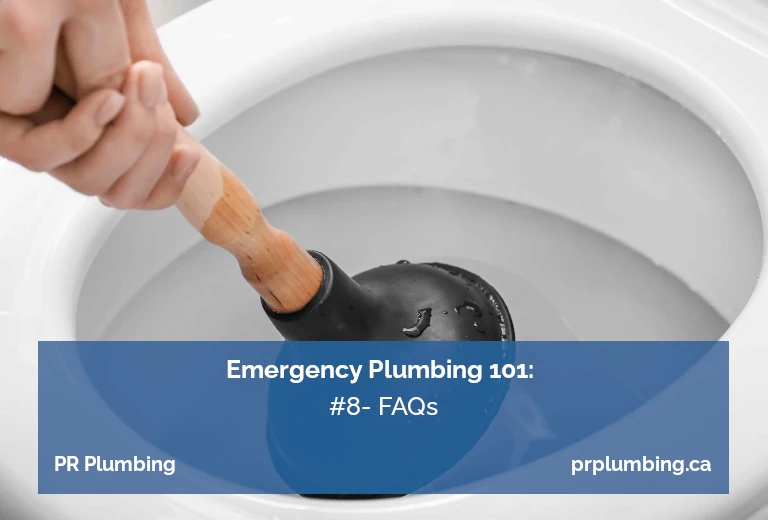
Q: Can I use a plunger during a toilet overflow?
A: Only if the water level is safe and electricity is far away. Plunging can help with minor clogs but avoid aggressive attempts on serious blockages.
Q: Is it safe to shut off electricity near water?
A: Only if you can do so without standing in water. If unsure, wait for a professional. Safety comes first.
Q: How long should I wait for a plumber?
A: Call as soon as the water is off and the damage is contained. Licensed plumbers aim to respond quickly, especially for true emergency plumbing situations.
Plumbing emergencies are stressful, but knowing what to do in the first minutes can make a huge difference. From shutting off the main water supply to containing damage and calling a professional, these steps protect your home and give you peace of mind. Remember, quick action combined with professional support is the safest approach to any emergency plumbing problem.
Call PR Plumbing today on (905) 429-9622.